
The benefits of breathing techniques in meditation
Key Takeaways
- Breathing techniques enhance your meditation by promoting relaxation.
- Consistent practice can improve mindfulness and focus.
- Each technique offers unique benefits that can aid in stress management.
Meditation is a powerful tool for cultivating relaxation and mindfulness. While many may focus on the posture and setting, **breathing techniques** are equally crucial in enhancing your meditation experience. Integrating specific breathing methods into your practice can help you calm your mind, deepen your focus, and facilitate a more profound state of relaxation. In this article, we will explore various breathing techniques that can significantly improve your meditation practice.
Why focus on breathing in meditation?
Breathing is a natural process we often take for granted. However, bringing awareness to your breath can unlock a world of benefits during meditation. Here are a few reasons why focusing on your breathing is essential:
- **Enhances relaxation:** Deep, intentional breaths trigger the body’s relaxation response.
- **Improves focus:** Concentrating on your breath helps train the mind to stay present.
- **Encourages mindfulness:** Breathing techniques can cultivate a greater sense of awareness.
Popular breathing techniques for meditation
Below, we delve into some effective breathing techniques that you can incorporate into your meditation practice:
| Breathing Technique | How to Practice | Benefits |
|---|---|---|
| Diaphragmatic Breathing | Inhale deeply through your nose, allowing your diaphragm to expand. Exhale slowly. | Promotes relaxation and reduces anxiety. |
| Box Breathing | Breathe in for 4 counts, hold for 4 counts, exhale for 4 counts, hold for 4 counts. | Improves focus and calms the mind. |
| 4-7-8 Breathing | Inhale for 4 counts, hold for 7 counts, exhale for 8 counts. | Helps manage stress and promotes tranquility. |
| Alternate Nostril Breathing | Close one nostril with your thumb, inhale deeply, switch nostrils and exhale. | Balances the mind and enhances concentration. |
| Mindful Breathing | Simply observe your breath as it naturally flows in and out. | Develops mindfulness and awareness. |
How to incorporate breathing techniques into your meditation practice
To effectively harness the benefits of breathing techniques, consider the following steps:
- **Find a quiet space:** Ensure you have a comfortable environment free from distractions.
- **Choose a technique:** Select a breathing method that resonates with you.
- **Set a timer:** Start with a few minutes and gradually increase your practice time.
- **Focus on your breath:** Allow your awareness to rest solely on the rhythm of your breathing.
- **Reflect:** After your session, take a moment to reflect on your experience and feelings.
Integrating mindfulness with breathing techniques
Breathing techniques are a bridge to mindfulness. Here’s how to effectively integrate these practices:
- Set daily intentions for your practice.
- Consider using a **mindfulness journal** to reflect on your breathing experiences.
- Regularly practice gratitude to enhance your overall mindfulness.
Creating a conducive environment for meditation
Your surrounding space can greatly influence your meditation practice. Here are a few tips for creating the right ambiance:
Beginners Section
- Choose a quiet location with minimal distractions.
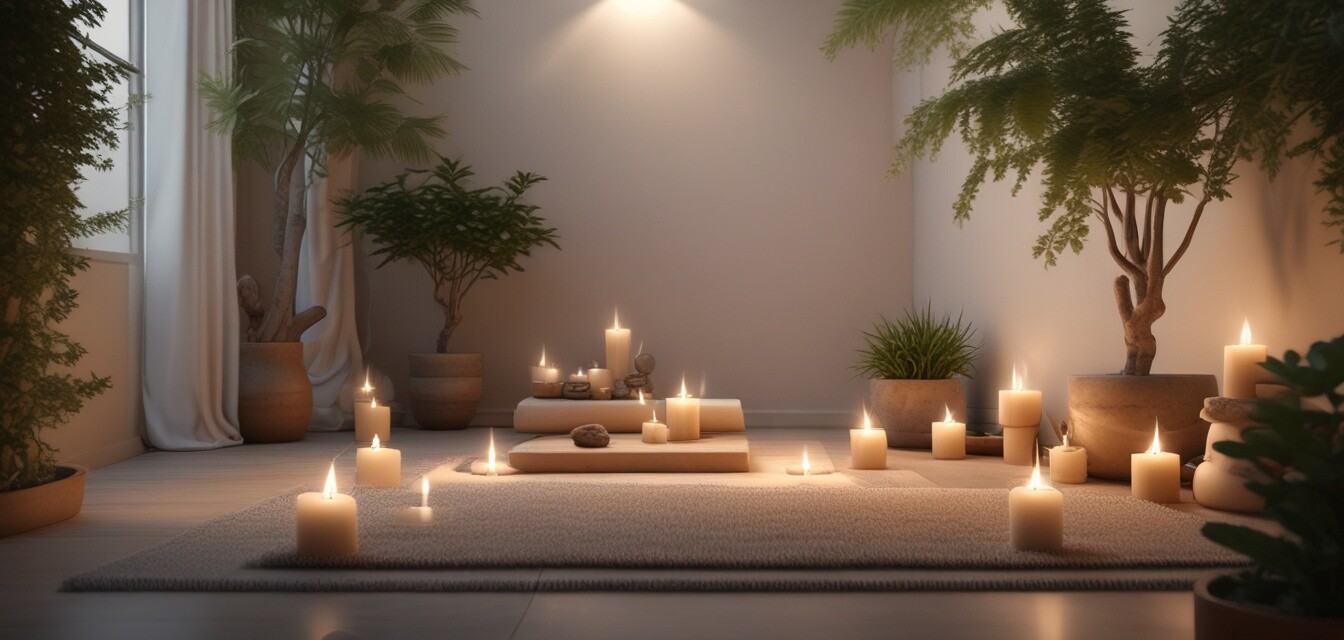
- Use soft lighting or candles to create a calming atmosphere.
- Incorporate relaxing scents, perhaps through **aromatherapy** products.
- Consider using a comfortable **meditation cushion** for proper posture.
Challenges and how to overcome them
As you begin to practice breathing techniques, you might encounter some challenges:
- **Mind wandering:** Gently guide your focus back to your breath whenever distractions arise.
- **Discomfort:** Find a comfortable position and adjust as necessary for relaxation.
- **Consistency:** Develop a routine by dedicating a specific time each day for practice.
Conclusion
Breathing techniques are a powerful complement to any meditation practice. By incorporating these methods, you can cultivate a deeper sense of relaxation, enhance your mindfulness, and improve overall well-being. Whether you are new to meditation or a seasoned practitioner, understanding and applying these techniques will undoubtedly enrich your experience.
Pros
- Increases relaxation and peace of mind.
- Enhances focus and cognitive functioning.
- Easy to integrate into daily routines.
Cons
- Can take time to master effectively.
- May require guidance for beginners.
To expand your proficiency in mindfulness practices, consider exploring our other resources on Mindfulness Practices or learning about Guided Meditation Audios to support your journey.