

Benefits of Mindful Journaling
Key Takeaways
- Mindful journaling enhances self-awareness and emotional well-being.
- Engaging in this practice can reduce anxiety and stress.
- It provides a space for reflection and personal growth.
- Journaling aids in organizing thoughts and emotions.
- It fosters creativity and self-expression.
In our fast-paced world, it’s easy to feel overwhelmed by daily stresses and emotions. Mindful journaling offers a powerful solution, allowing individuals to reflect on their experiences and feelings intentionally. This practice nurtures self-awareness and emotional health, leading to a more balanced life.
What is Mindful Journaling?
Mindful journaling involves writing about your thoughts and emotions in a present-focused manner. Rather than writing down what happened during the day, you take time to reflect deeply on how you felt during those moments, encouraging a dialogue with your inner self. This practice allows for greater clarity and insight into personal experiences.
How Mindful Journaling Works
- Set aside quiet time for writing.
- Focus on your breathing and center yourself.
- Write freely without judgment or concern for grammar.
- Reflect on your writings after some time has passed.
Mental Health Benefits of Mindful Journaling
Research indicates that engaging in mindful journaling can have profound mental health benefits:
| Benefit | Description |
|---|---|
| Improved Self-Awareness | Journaling allows you to explore your thoughts and feelings, promoting a better understanding of your emotions. |
| Stress Reduction | Expressing emotions on paper can provide a release, lowering levels of stress and anxiety. |
| Enhanced Emotional Regulation | Writing mindfully helps you process emotions, leading to better responses in challenging situations. |
| Increased Creativity | Journaling nurtures creativity, allowing you to explore new ideas and perspectives. |
| Clarity in Thoughts | This practice can clarify your thoughts, making it easier to sort through concerns and plan for the future. |
Getting Started with Mindful Journaling
To embark on your mindful journaling journey, consider the following tips:
Tips for Beginners
- Choose a quiet space where you feel comfortable writing.
- Use a journal that resonates with you, like a mindfulness journal which can guide your entries.
- Write without restrictions; allow your thoughts to flow naturally.
- Incorporate prompts to get started if you feel stuck.
- Schedule your journal time; consistency helps build a habit.
Mindful Journaling Prompts
Here are some prompts to get you started with mindful journaling:
- Describe a recent event that made you feel happy. How did it affect you?
- Reflect on a challenge you faced this week. What did you learn from it?
- What emotions did you experience today, and what triggered them?
- Write about a person who inspires you and why.
Integrating Mindful Journaling into Your Routine
Make journaling a part of your daily routine to reap its benefits:
- Start each day by setting intentions through journaling.
- End each day with reflections on what went well and what you can improve.
- Combine journaling with other mindfulness practices, such as meditation or yoga, for a holistic experience.
Featured Product
 Top Choice
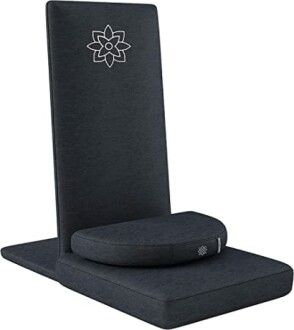
Mindful Modern Folding Pro Meditation Chair
Elevate your mindfulness practice with this adjustable meditation chair designed for comfort and support, ensuring an optimal journaling experience.
Learn MoreConclusion
Mindful journaling is a transformative practice that not only enhances self-awareness but also improves overall emotional health. By dedicating time to this practice, you can gain insights into your thoughts and feelings, ultimately fostering a healthier mindset.
Explore More Resources
To learn more about mindfulness practices, check out our comprehensive articles: