
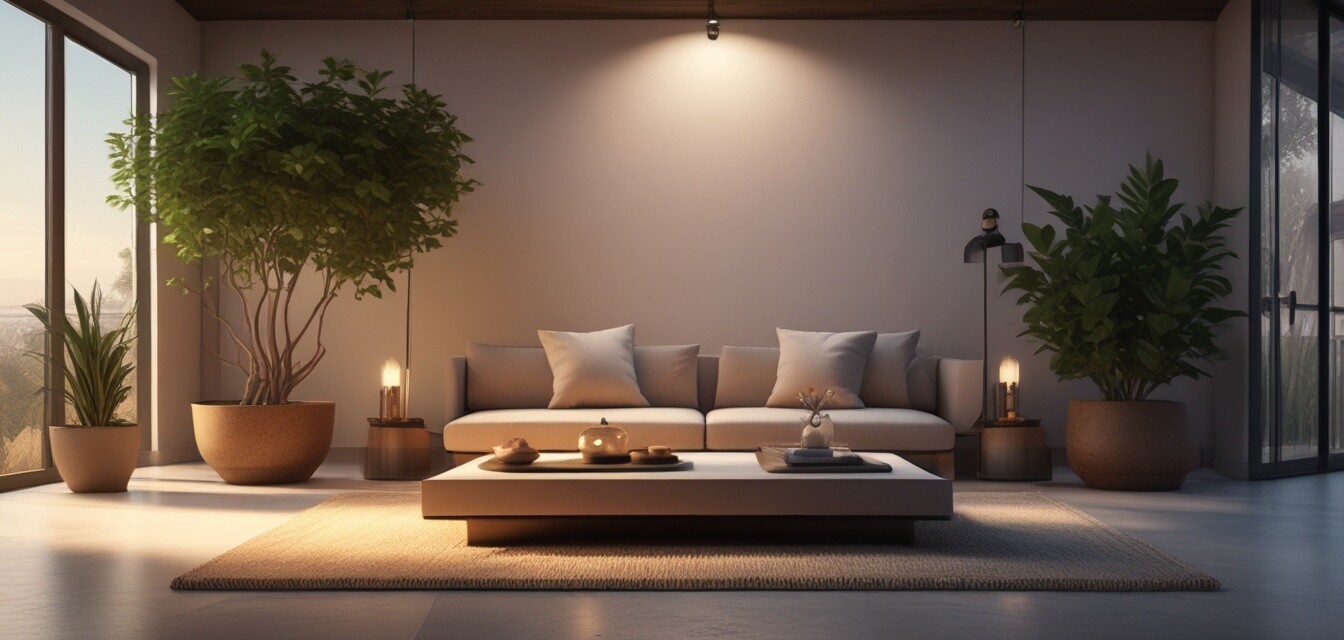
Crafting an effective meditation space at home
Key Takeaways
- Create a dedicated space that is free from distractions.
- Incorporate comfortable seating and calming accessories.
- Add elements of nature to enhance tranquility.
- Customize your space with personal items that inspire peace.
- Ensure your meditation area is well-lit and inviting.
Creating a tranquil and uplifting meditation space at home can significantly enhance your practice experience. This dedicated area allows you to retreat from daily stresses, providing a sanctuary for mindfulness and reflection. Below, we explore tips and essential elements to consider when crafting your meditation oasis.
Choosing the right location
Your meditation space should be in a quiet, comfortable area of your home. Consider the following factors:
- Privacy: Choose a place where you won't be interrupted.
- Natural Light: If possible, find a spot with plenty of natural light. Sunlight can boost your mood.
- Ventilation: Ensure the area is well-ventilated to promote a fresh and inviting atmosphere.
Furniture and comfort
The right furniture can make a significant difference. Here are some options:
| Item | Description | Benefits |
|---|---|---|
| Meditation Cushions | Cushions provide comfortable seating during meditation. | Promotes correct posture and enhances comfort. |
| Floor Chairs | Chairs like the Malu Extra Large Padded Floor Chair offer support with a backrest. | Great for longer meditation sessions. Learn more about the Malu chair. |
| Yoga Mats | A comfortable mat provides a soft surface for seated practices. | Helps with stability and alignment during meditation. |
Incorporating soothing elements
Enhancers for your meditation environment can make a big difference. Consider these elements:
- Aromatherapy: Use essential oils like lavender or sandalwood to create a calming atmosphere. Check out our range of aromatherapy products.
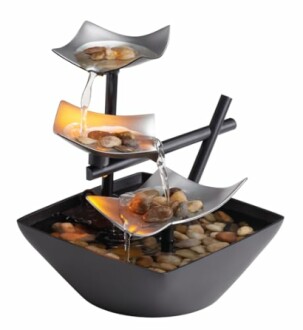
- Indoor Fountains: A soothing sound of flowing water can enhance the ambiance. The Homedics Tabletop Water Fountain provides a tranquil touch.
- Plants: Incorporate some indoor plants for freshness. They can improve air quality and add a natural element.
 Create tranquility
Homedics Tabletop Water Fountain
This indoor fountain brings a calming, Zen feel with soothing sounds of water.
Explore NowPersonalization and special touches
Make your meditation area unique to you. Here are some ideas:
- Artwork: Hang calming artwork or photos that inspire peace.
- Textiles: Add soft blankets or decorative pillows for comfort and warmth.
- Personal Shrine: Incorporate items of personal significance, like crystals or mementos that promote positivity.
Lighting considerations
The right lighting can enhance the mood of your meditation space:
- Natural Light: Use curtains to manage light levels from windows.
- Candles: Soft candlelight can provide a warm ambiance during meditation.
- LED Lights: Consider using dimmable LED lights to control brightness and set the mood.
Pros
- Creates a dedicated space for relaxation and mindfulness.
- Enhances your meditation practice with comfort and tranquility.
- Encourages a consistent meditation routine.
Cons
- Setting up a separate space may require time and effort.
- Cost involved in purchasing furniture and decor items.
- Space limitations in smaller homes may restrict setup options.
Conclusion
Creating an effective meditation space at home is all about fostering a peaceful environment. From the right furniture to calming elements, personal touches and proper lighting, each aspect contributes to enhancing your experience. By designing a space that resonates with your personal style and promotes tranquility, you'll be well on your way to deepening your meditation practice.
Further resources
For more insights into meditation practices, visit:
- Meditation for Beginners
- Meditation Techniques
- Mindfulness Meditation
- News and Trends in Meditation