
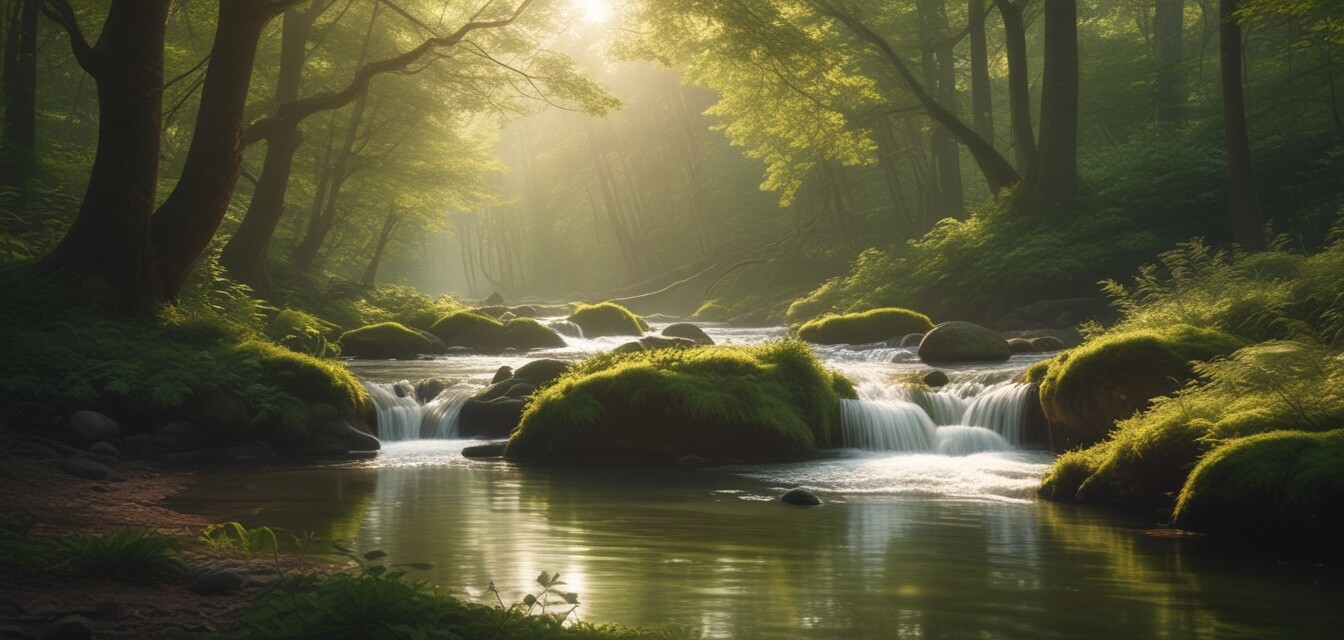
Exploring Nature-Based Meditation Techniques
Key Takeaways
- Nature-based meditation helps in enhancing mindfulness.
- Various techniques can be used to practice meditation outdoors.
- Spending time in nature promotes relaxation and rejuvenation.
- Integrating nature into your meditation routine can boost mental well-being.
Meditation is not just confined to quiet indoor spaces; it can be a deeply enriching experience outside in nature. The serenity of the outdoors can enhance your mindfulness practice and promote a greater sense of calmness and balance in your life. In this article, we will explore how to integrate nature into your meditation routine and a variety of techniques to optimize your experience.
The benefits of practicing meditation in natural settings
Practicing meditation outdoors offers numerous advantages that contribute to your overall well-being. Here are some key benefits:
- Enhanced focus: The sounds and sights of nature can help divert your mind from everyday distractions.
- Increased tranquility: Natural settings are inherently peaceful and provide a calming backdrop for meditation.
- Better connection to the present: Nature encourages mindfulness — the practice of being fully present.
- Boost in vitamin D: Spending time outdoors helps you absorb sunlight, which is vital for your mood and health.
Techniques for outdoor mindfulness sessions
Below are several nature-based meditation techniques to enrich your outdoor mindfulness practice:
| Technique | Description | Best Environment |
|---|---|---|
| Walking Meditation | Focus on the sensation of walking and the connection with the earth beneath your feet. | Parks, trails, or any natural pathway. |
| Sitting Meditation | Find a quiet spot, sit comfortably, and focus on your breath while observing your surroundings. | Quiet woods, gardens, or lakesides. |
| Nature Sounds Meditation | Close your eyes and listen to the sounds around you, such as birds singing or leaves rustling. | Anywhere with rich natural sounds. |
| Guided Outdoor Meditation | Use guided meditation recordings or apps while in nature to deepen your practice. | Any peaceful outdoor location. |
| Visualization | Visualize natural elements, such as water or trees, using them to anchor your meditation. | Near a river, beach, or meadow. |
Creating a conducive environment for outdoor meditation
Setting up a calm and inviting space for your outdoor meditation is essential. Here are some tips for creating a conducive environment:
- Choose a quiet location where you feel safe and comfortable.
- Consider the time of day; early mornings or late evenings are often more peaceful.
- Bring along a meditation cushion or blanket for comfort.
- Minimize distractions by silencing your phone and other devices.
- Allow nature’s beauty to enhance your experience; let yourself be present in the moment.
Tips for beginners
Getting started with nature-based meditation
- Start small: If new to meditation, begin with short sessions of 5–10 minutes.
- Explore different settings: Try various natural environments, such as beaches, parks, and gardens.
- Be patient with yourself: Meditation is a skill that develops over time.
- Keep a journal: Document your experiences to track your progress and insights.
- Join a community: Look for local or online groups focusing on outdoor meditation to find support.
Integrating nature into your meditation routine
To truly harness the benefits of nature-based meditation, consider integrating these practices into your regular routine:
- Set a regular schedule for outdoor meditation sessions, like early mornings on weekends.
- Incorporate seasonal changes in your environment into your practice; observe the shifts in nature around you.
- Reconnect with nature frequently — a short walk or time spent in a garden can rejuvenate your meditation.
Conclusion
Exploring nature-based meditation techniques opens new possibilities for deepening your mindfulness practice. Outdoor settings foster tranquility and provide a unique backdrop to enhance focus while cultivating a stronger connection to the natural world. Try incorporating these techniques and tips into your routine, and embrace the many benefits that meditation in nature can offer.
Pros
- Improves mental clarity and focus.
- Encourages a deep connection to nature.
- Enhances peace and mindfulness.
- Can be enjoyed in various locations.
Cons
- Weather-dependent; outdoor sessions might be interrupted by rain or wind.
- Potential distractions from the environment.
- Requires planning, such as selecting a proper outdoor location.
For more insights on mindfulness practices, check out our articles on Mindfulness Practices or explore tools in our Aromatherapy section to enhance your next outdoor meditation session.