

Exploring the Benefits of Child-Centered Mindfulness
Key Takeaways
- Child-centered mindfulness practices can greatly enhance emotional development.
- Incorporating mindfulness into children’s daily routines fosters focus and calm.
- Books designed for mindfulness help children learn techniques in a fun way.
- Mindfulness activities improve social skills and emotional regulation.
Mindfulness is gaining recognition as a powerful tool for emotional growth, not just for adults, but also for children. As we explore the various benefits of child-centered mindfulness practices, it’s essential to understand how these techniques can positively impact a child’s emotional and social development. This article will delve into the significance of mindfulness for kids, practical activities to engage them, and resources that can assist in their journey of mindfulness.
Understanding Child-Centered Mindfulness
Mindfulness for children is all about teaching them to be present in the moment. It encompasses awareness of thoughts, feelings, and bodily sensations without judgment. By cultivating mindfulness, children can develop essential skills that will help them navigate daily challenges.
Benefits of Mindfulness for Children
| Benefit | Description |
|---|---|
| Emotional Regulation | Mindfulness practices help children manage their emotions, leading to better emotional stability. |
| Improved Focus | Mindfulness enhances attention span, making it easier for kids to focus on tasks. |
| Social Skills Development | Engaging in mindfulness can improve empathy, communication, and social interactions with peers. |
| Stress Reduction | Mindfulness reduces anxiety and stress, allowing children to feel more grounded. |
| Creativity Boost | Practicing mindfulness can enhance creative thinking and problem-solving skills. |
Activities for Teaching Mindfulness to Children
There are many ways to introduce mindfulness to children effectively. Here are some engaging activities:
- Breathing Exercises: Teach simple deep breathing techniques. A great example is counting breaths, where children count each inhalation and exhalation.
- Mindful Coloring: Provide coloring books or sheets and emphasize focusing on the colors and patterns without distraction.
- Nature Walks: Encourage walks in nature, prompting children to observe and appreciate the surroundings.
- Mindfulness Stories: Reading books that incorporate mindfulness themes can be both enjoyable and educational.
Recommended Mindfulness Books for Children
Books can be an excellent entry point for children to learn about mindfulness. Here are two highly recommended titles:
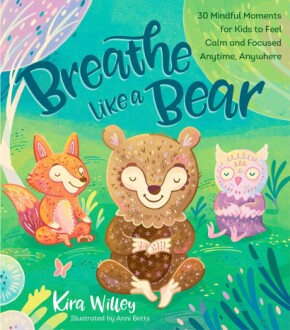 Top Choice
Breathe Like a Bear: 30 Mindful Moments for Kids
This engaging book provides 30 fun mindfulness exercises designed for children, encouraging them to focus and feel calm anytime, anywhere.
Learn More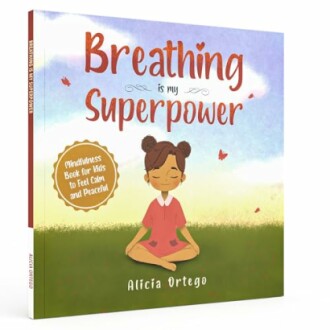 Feature Highlight
Breathing is My Superpower
An instructional and visually appealing book that teaches kids the power of their breath, promoting peace and calm in a playful manner.
Learn MoreIntegrating Mindfulness into Daily Routines
To fully benefit from mindfulness, it should be integrated into children’s daily lives. Below are a few methods:
- Morning Mindfulness: Start the day with a short mindfulness exercise, setting a peaceful tone for the day.
- Mindful Lunchbreaks: Encourage children to eat lunch with focus, savoring each bite thoughtfully.
- Wind-Down Time: Use mindfulness exercises before bed to allow children to release the stresses of the day.
Resources for Further Exploration
For those interested in diving deeper into the world of mindfulness for children, consider exploring the following resources:
- Meditation for Beginners
- Mindfulness Meditation
- Guided Meditations
- Meditation Resources
- Advanced Meditation Practices
Pros
- Fosters emotional growth and resilience.
- Enhances focus and concentration.
- Improves interpersonal relationships through better communication.
Cons
- May require consistent practice to see benefits.
- Some children may initially resist mindfulness exercises.
Conclusion
Child-centered mindfulness is not just a trend; it is a foundational practice that can greatly benefit our future generations. By introducing children to mindfulness through simple practices, relatable stories, and daily routines, we empower them to develop skills that will aid them throughout their lives. With resources like Breathe Like a Bear and Breathing is My Superpower, parents and educators can cultivate a mindful environment that nurtures emotional intelligence and resilience in children.