
How to build a personal meditation routine
Key takeaways
- Identify your meditation goals
- Choose a suitable time and environment
- Incorporate mindfulness practices for better focus
- Start small and gradually increase meditation duration
- Evaluate and adapt your routine as needed
Creating a personalized meditation routine can significantly enhance your mindfulness practice. It allows you to incorporate meditation into your daily life in a way that resonates with your personal needs and preferences. This article will guide you step-by-step on how to build a meditation routine that fits seamlessly into your lifestyle.
Step 1: Identify your meditation goals
Before starting your meditation routine, take a moment to reflect on your goals. What are you hoping to achieve through meditation? Here are some common intentions:
- Reducing stress
- Improving focus and concentration
- Enhancing self-awareness
- Cultivating compassion and empathy
Step 2: Choose a suitable time and environment
Finding the right time and setting for meditation is crucial. Consider the following:
| Time of Day | Benefits |
|---|---|
| Morning | Sets a positive tone for the day |
| Midday | Recharges energy and clarity |
| Evening | Promotes relaxation and winding down |
Your environment should be as conducive to meditation as possible. Here are some tips for creating a calming space:
- Choose a quiet place with minimal distractions.
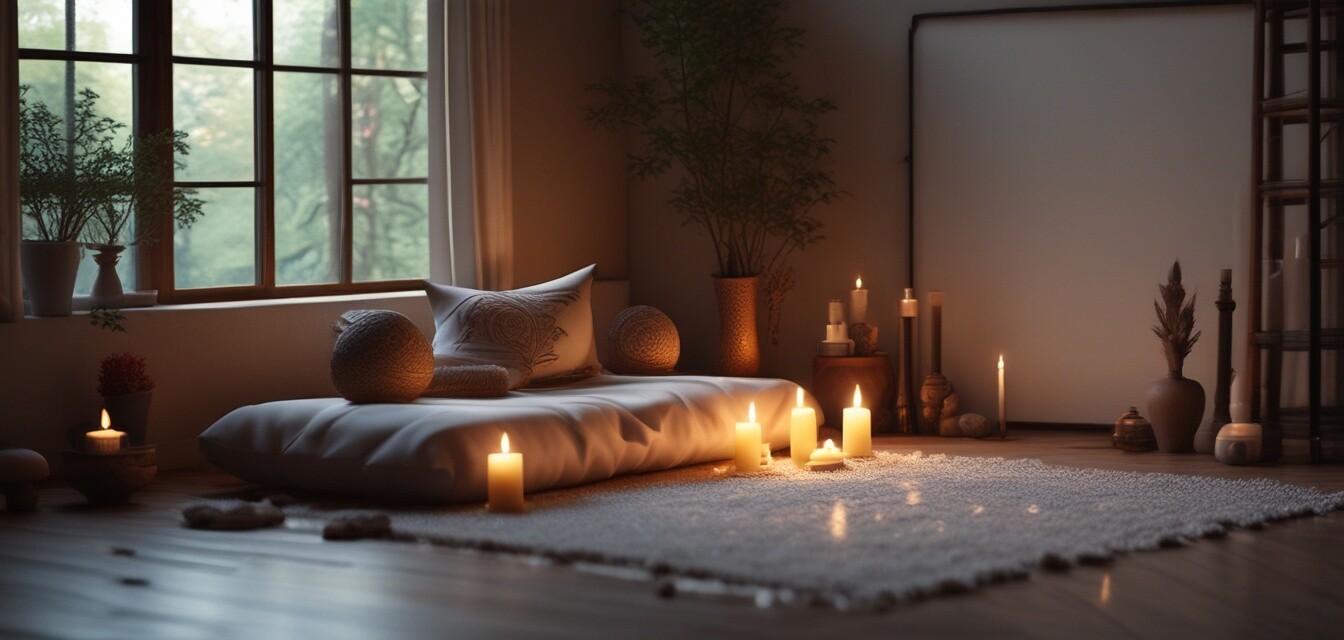
- Consider incorporating elements like candles or plants for a serene ambiance.
- Use comfortable seating such as meditation cushions to support your practice.
Step 3: Incorporate mindfulness practices
To deepen your meditation practice, consider incorporating mindfulness techniques. Try the following:
- Focus on your breath: Pay attention to each inhale and exhale.
- Body scan: Mentally note how each part of your body feels.
- Guided mindfulness sessions: Explore our collection of guided meditation audios for support.
Step 4: Start small and gradually increase duration
If you’re new to meditation, it can be helpful to start with shorter sessions. Consider the following schedule:
| Week | Duration |
|---|---|
| 1 | 5 minutes |
| 2 | 10 minutes |
| 3 | 15 minutes |
| 4 and beyond | 20-30 minutes or more, as comfortable |
Step 5: Evaluate and adapt your routine
Once you've established a routine, it's important to periodically evaluate how it’s working for you. Ask yourself the following questions:
- Do I feel calm and centered after each session?
- Am I consistently able to find time for meditation?
- Do I enjoy the techniques I'm using?
If you find something isn’t working, don’t hesitate to adjust your routine. For more tips on mindfulness practices, check out our other resources in the Mindfulness Practices blog category.
Pros
- Customized routine for individual needs
- Enhanced mindfulness leads to better stress management
- Ability to track progress over time
Cons
- Initial time investment to find what works
- Consistency can be challenging
- May require adjustments if life circumstances change
Conclusion
Building a personal meditation routine may take some time, but with patience and commitment, you can develop a practice that resonates with you. Remember to stay flexible and adjust your routine as needed. For further support on your mindfulness journey, explore additional resources such as aromatherapy and mindfulness journals to enhance your meditation practice. Happy meditating!