
How meditation is transforming daily routines
- Meditation is increasingly being recognized as a valuable addition to daily routines.
- Adaptable to various lifestyles, meditation enhances mindfulness and mental clarity.
- Integrating meditation can promote emotional well-being and reduce stress.
- Various tools and environments can support meditation practices.
The increasing pace of modern life has led many individuals to seek out ways to maintain their mental clarity and emotional balance. Meditation has emerged as a powerful tool in this quest, allowing people to carve out moments of peace amid the busyness of daily routines. This article delves into how meditation is being seamlessly integrated into everyday life and the positive impacts it can have on one's overall well-being.
The rise of meditation in daily life
Meditation's popularity has surged in recent years, with many individuals recognizing its potential beyond just a relaxation technique. More than a personal retreat, meditation is evolving into a fundamental part of daily life for many. From busy professionals to students, everyone is exploring how meditation can fit into their routines.
Incorporating meditation into daily routines
Adapting meditation into our busy schedules might seem challenging; however, with the right strategies, it becomes easier. Here are some practical ways to include meditation:
- Morning rituals: Start your day with a few minutes of mindfulness to set a positive tone.
- Short breaks: Use brief moments throughout the day for quick meditative practices.
- Evening wind-down: Conclude your day with reflection through guided meditation.
- Mindful commuting: Practice meditation during transit—on the bus, trains, or even while walking.
Benefits of daily meditation
Regular meditation practice has been linked to many benefits. While individual experiences can vary, many report a common set of advantages from incorporating meditation into their lives:
Pros
- Enhances focus and concentration.
- Promotes emotional resilience.
- Fosters a sense of inner peace and calm.
- Improves overall mind-body connection.
- Can enhance interpersonal relationships.
Cons
- May require consistency and practice to see results.
- Some individuals may find it difficult to stay focused initially.
- Requires time management to carve out practice sessions.
Different meditation techniques
Not all meditation practices are the same. Different techniques can cater to varying preferences and lifestyles. Here’s a brief overview of popular methods you can adopt:
| Technique | Description | Best for |
|---|---|---|
| Mindfulness Meditation | Focuses on being present in the moment and observing thoughts without judgment. | Individuals seeking awareness and deeper connection with their thoughts. |
| Guided Meditation | Utilizes audio or video guidance to lead you through meditation. | Beginner practitioners or those who enjoy structure in their practice. |
| Transcendental Meditation | A form of silent mantra meditation practiced for 20 minutes twice a day. | Individuals looking for a more established method with a cleared mind. |
| Visualization Meditation | Involves forming mental imagery to evoke feelings of relaxation or positivity. | Those who benefit from imagery techniques and mental explorations. |
The role of meditation tools
As the world of meditation continues to grow, various tools and products have emerged to support practitioners. Some essential tools include:
- Aromatherapy products enhance the meditative space with calming scents.
- Meditation cushions provide comfort during your practice.
- Guided audios assist with structure for new practitioners.
- Meditation mats offer a dedicated space for practice.
Creating your meditation space
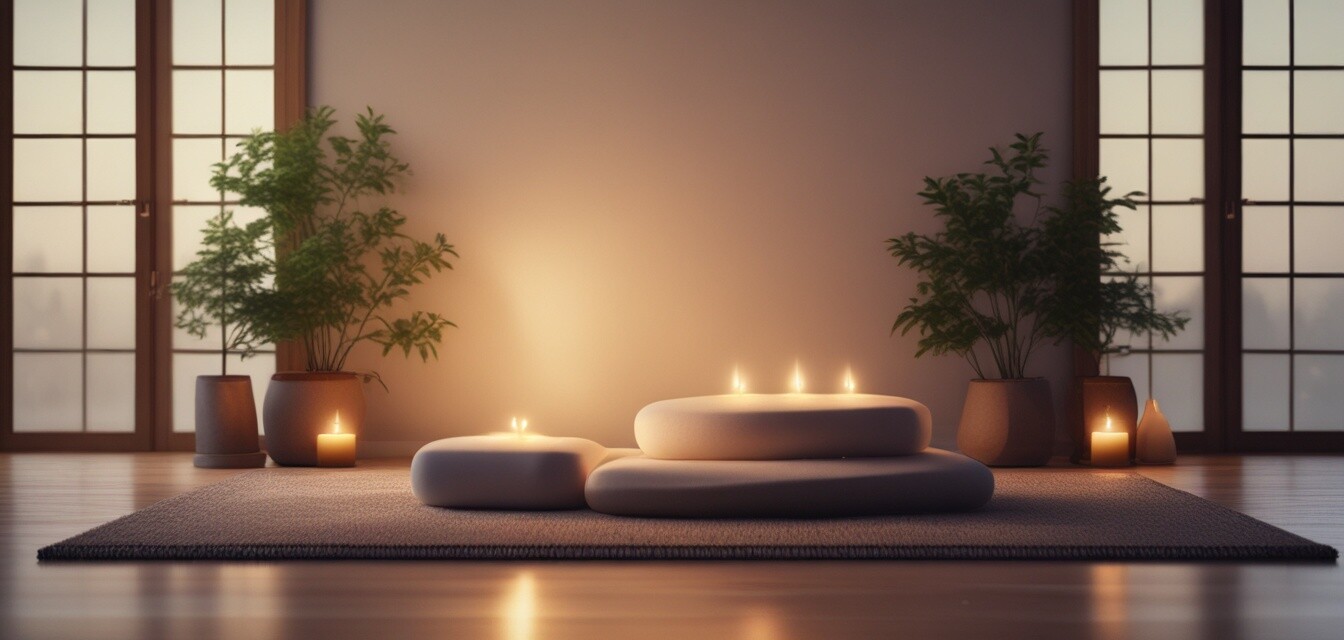
The environment where you meditate can significantly influence your practice. Here are tips for creating an ideal space:
Beginner's tips for a meditation space
- Choose a quiet corner at home that feels comfortable and inviting.
- Add soft lighting or natural light to enhance the ambiance.
- Incorporate elements that bring you peace, such as plants or art.
- Keep the space clutter-free to maintain focus.
- Consider items that engage your senses, such as soothing soundscapes or scents.
Conclusion
As individuals increasingly embrace meditation, it is evident that this practice is more than just a trend; it is becoming a staple in many daily routines. The journey into meditation isn't a one-size-fits-all approach, and with the variety of techniques and tools available, everyone can find their unique path to enhancing their well-being. Whether it’s through mindfulness practices or using supportive products, fostering a meditation routine can lead to a more balanced life.
To continue exploring how meditation can fit into your life, check out our News and Trends section for more updates on meditation practices and tools.