
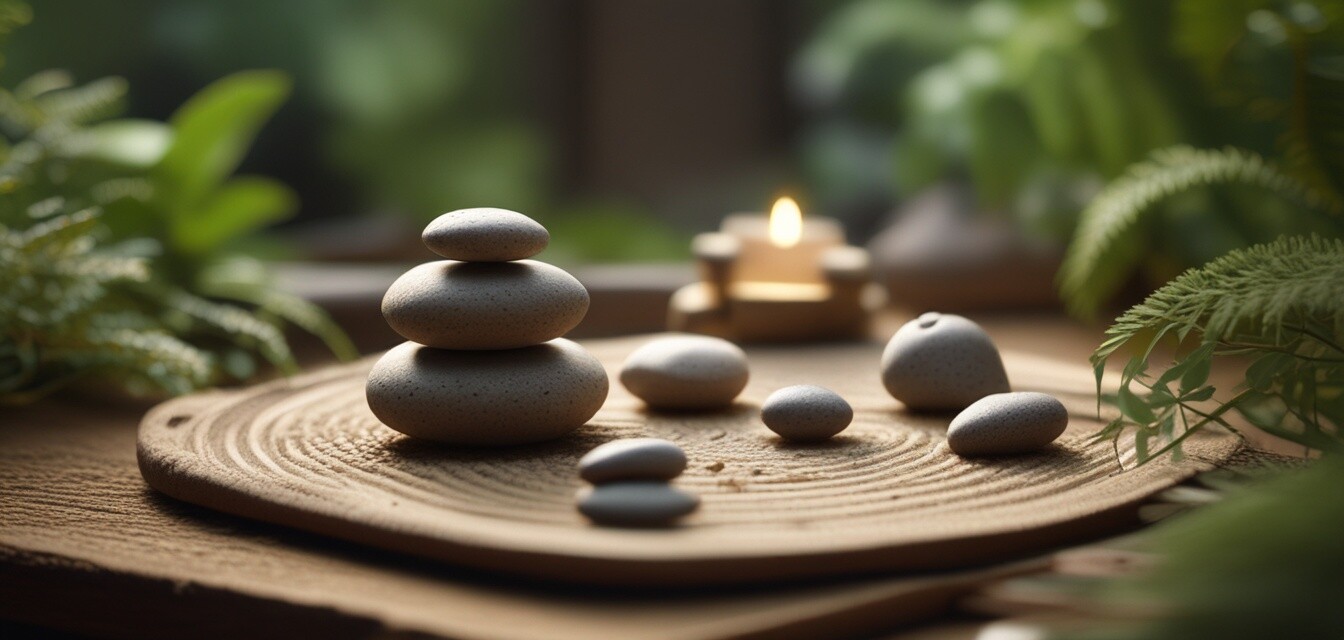
Lessons from global mindfulness practices
Key Takeaways
- Mindfulness practices differ worldwide yet share core principles.
- Incorporating diverse techniques can enrich personal meditation experiences.
- Cultural contexts play a significant role in shaping mindfulness practices.
- Continual learning from global techniques can enhance mindfulness skills.
In a world that often feels chaotic and overwhelming, mindfulness provides a sanctuary of calm. As meditation enthusiasts seek to deepen their practice, exploring global mindfulness techniques reveals a treasure trove of lessons that can enhance personal meditation experiences. This article delves into various mindfulness practices from around the globe and highlights valuable insights learned through these traditions.
Understanding Global Mindfulness Practices
Mindfulness is the art of being present in the moment, and cultures around the world have interpreted this principle uniquely. Here, we'll explore some notable practices and their lessons.
1. Zen Buddhism (Japan)
Zen Buddhism emphasizes direct experience and meditation. Sitting quietly, known as Zazen, teaches practitioners the power of stillness.
- Lesson: Embrace silence and stillness to clear the mind.
2. Vipassana Meditation (Myanmar)
Vipassana, or insight meditation, involves deep self-observation. This practice teaches individuals to observe their thoughts without judgment.
- Lesson: Cultivate non-reactive awareness to gain insights into your thoughts and behavior.
3. Mindfulness-Based Stress Reduction (MBSR) (USA)
Developed by Dr. Jon Kabat-Zinn, MBSR integrates mindfulness into everyday life. Participants engage in guided meditation, gentle yoga, and body awareness.
- Lesson: Integrate mindfulness into routine activities for stress relief.
4. Taoist Meditation (China)
Taoist practices emphasize harmony with nature and breathing techniques. These meditations often involve visualization and energy flow.
- Lesson: Connect with nature and your breath to promote a sense of peace.
5. Native American Traditions (North America)
Many Native American tribes utilize rituals that connect them to the earth and spirit. Drumming, singing, and storytelling are integral to these practices.
- Lesson: Engage with your community and the natural environment to foster deeper mindfulness.
Comparison of Global Practices
| Practice | Key Focus | Main Technique | Unity with Nature |
|---|---|---|---|
| Zen Buddhism | Stillness | Zazen (sitting meditation) | Moderate |
| Vipassana | Self-awareness | Observation of thoughts | Low |
| MBSR | Stress Relief | Guided meditation and yoga | High |
| Taoist | Harmony | Breathing techniques | Very High |
| Native American | Cultural Connection | Rituals and storytelling | Highest |
Integrating Global Mindfulness Techniques into Your Practice
Learning from global mindfulness practices can significantly enrich your personal meditation. Here are some ways to integrate these insights into your regular routine:
Beginner Tips for Integrating Mindfulness
- Start with short meditation sessions inspired by Zen Buddhism.
- Incorporate body scans and breath awareness from MBSR into your day.
- Explore nature during your meditation as inspired by Taoist practices.
- Join local community groups to foster connections like those in Native traditions.
- Reflect on your emotions and thoughts as taught in Vipassana.
Conclusion
The journey into mindfulness is deeply personal, yet it is enriched by the vibrant tapestry of global practices. Each technique offers wisdom that can enhance our understanding and experience of mindfulness. By integrating these insights into our lives, we can cultivate a more profound sense of peace and clarity in our daily existence.
Pros
- Diverse approaches to mindfulness enhance understanding.
- Increased cultural appreciation and sensitivity.
- Opportunity to blend different techniques for personalized meditation.
Cons
- May feel overwhelming to beginners.
- Cultural appropriation concerns if not approached respectfully.
- Not all practices may resonate with everyone.